Try our favorite K-6 tasks for free!
On our platform, we give children lots of opportunities to develop brain connections, with tasks that ask them to think with numbers and also to think with different visuals. Some of the tasks help students practice numbers and number relationships, others are pattern-based.
Building Value
Build numbers within 1,000 using Base Ten Blocks by selecting the right number of hundreds, tens, and ones to reach a target value. Making place value visible strengthens number sense and builds an essential foundation for multi-digit addition, subtraction, and beyond.
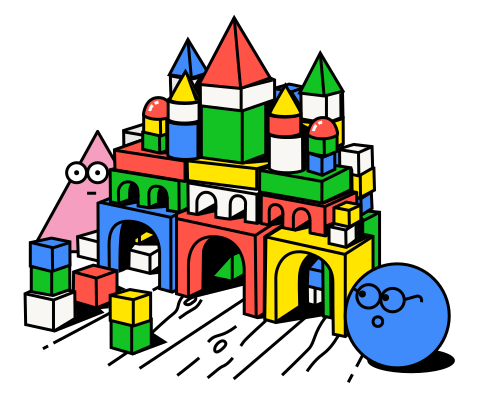
Regroup Rodeo
Explore multi-digit addition with regrouping, starting in the ones place and progressing to sums that require trading ten ones for a ten or ten tens for a hundred. Animations make regrouping visible, building conceptual understanding of what it truly means to “carry the one” while reinforcing place value.
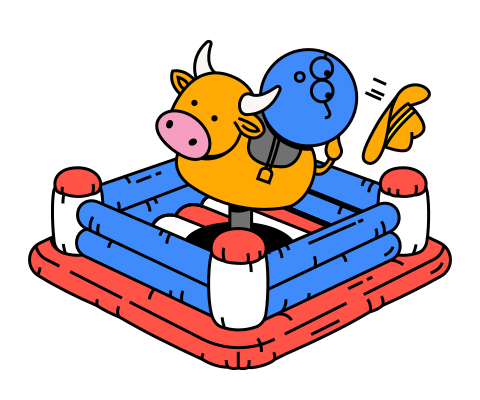
Fire and Ice
Explore subtraction with an unknown subtrahend by finding the right number of ice cubes to extinguish the flames and leave the target amount remaining. Making the relationship between the starting amount, the amount taken away, and the amount left visible strengthens number sense and builds flexible thinking about subtraction.
Inside Outside
Explore area and perimeter by building polygons to match a given area and perimeter. Seeing that the same shape has different measurements for its area and perimeter helps distinguish between the two concepts and builds conceptual math understanding.
Rock Around the Clock
Connect verbal and digital representations of time with an analog clock, using context clues to determine a.m. or p.m. The progression moves from hours and half hours to quarter hours, 5- and 10-minute intervals, and eventually all hours and minutes, building understanding and math confidence along the way.
Dropping Dividends
Dropping Dividends is about making sense of division using an array model. Each level, your students will be presented with a division question, the goal is to decide how many rows of balls to drop in order for the total array to represent the dividend. This task includes one and two digit divisors with two and three digit dividends.
Subtraction Blast
Develop number sense and flexible thinking through a visual approach to subtraction. Each round starts with a target number, and the challenge is to blast away the extra balls until only the target amount remains, making the concept of subtraction as taking away visible.
Sort It Out Fractions
Develop flexibility with fractions by sorting and connecting different representations. Shapes, clocks, number lines, items, and symbols reveal how the same fraction can be represented in different ways, strengthening conceptual understanding of fractions.
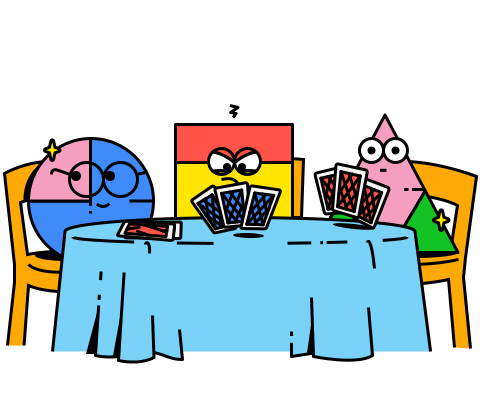
Multiplication Mining
Build number sense and multiplication fluency through connections between multiplication expressions and area models. Mining treasures from a grid makes the structure of multiplication visible, connecting conceptual math with procedural fluency through 10 × 12.
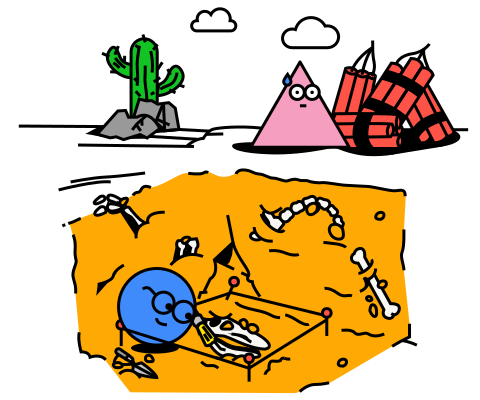
Sort It Out Multiplication
Bridge conceptual understanding and procedural fluency with multiplication through 12 × 12. Sorting expressions, repeated addition, dice, area models, and factor models by their products encourages flexible thinking and builds connections between different representations of multiplication.
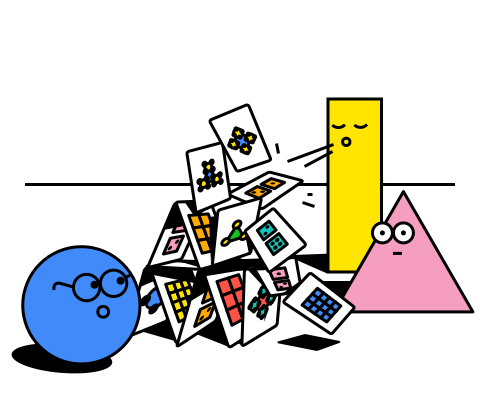
Cuisenaire Towers
Explore number composition by finding all the ways to build the numbers 2 to 10 using Cuisenaire rods. Seeing how the same number can be composed in many different ways strengthens number sense and flexible thinking.

Slice 'n' Dice
Explore the relationship between the numerator, denominator, and the whole through visual math. Different partitions make these relationships visible and build conceptual understanding of how fractions work.
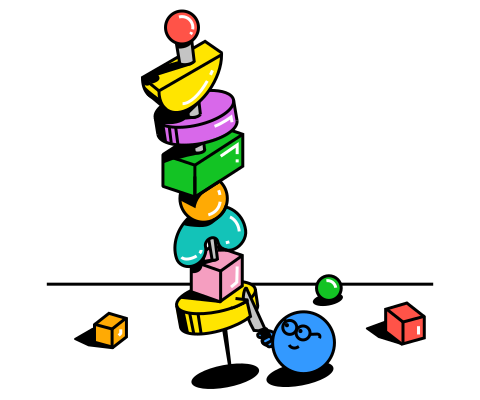
Thirsty for Thirds
Explore the many ways ⅓ can be represented. As shapes are divided into different numbers of equal parts, reasoning about how many parts make ⅓ reveals relationships between equivalent fractions and strengthens number sense.